




Chehel Sotune Palace, Esfahan
 The Chehel Sotune Palace and its garden cover an area of approximately 67,000 sq. m. This palace was constructed during the
reign of Shah Abbas I. Shah Abbas II was also responsible for additions to this palace, such as the hall of mirrors,
The Chehel Sotune Palace and its garden cover an area of approximately 67,000 sq. m. This palace was constructed during the
reign of Shah Abbas I. Shah Abbas II was also responsible for additions to this palace, such as the hall of mirrors,
Fin Historical Edifice and Garden, Kashan

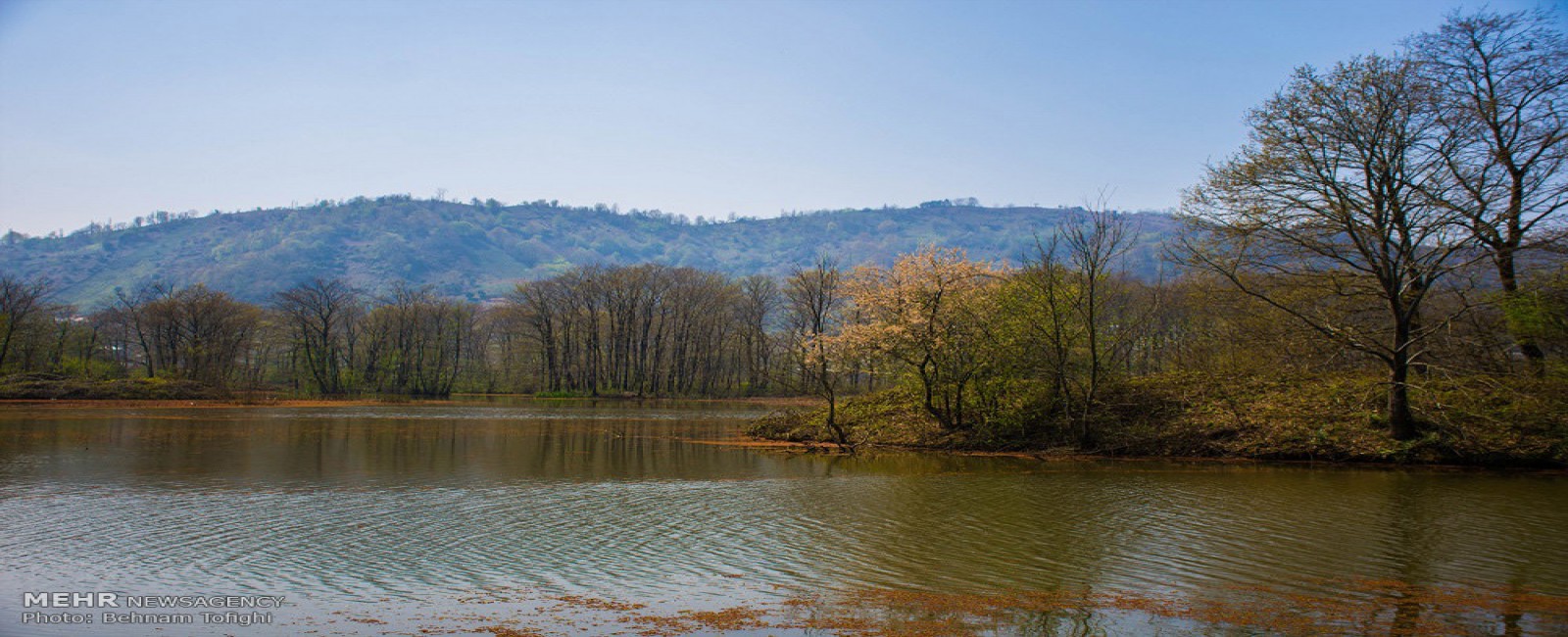
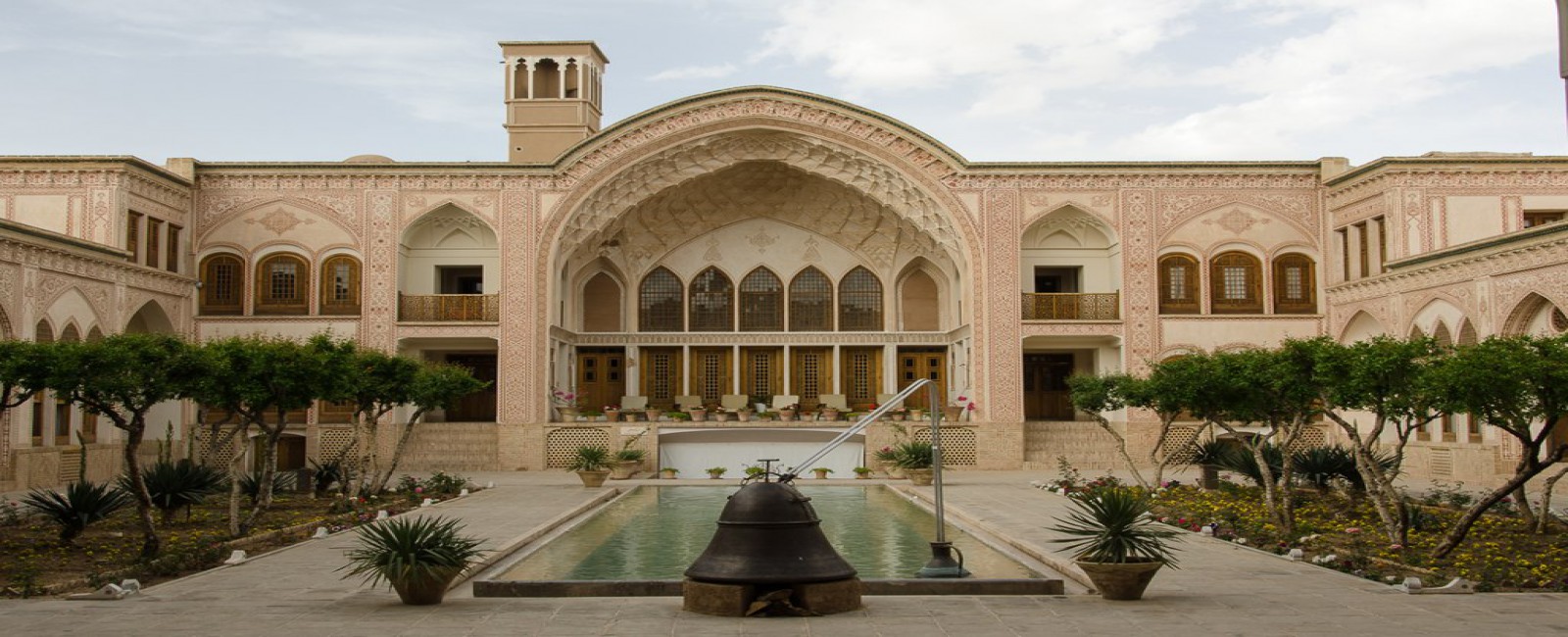
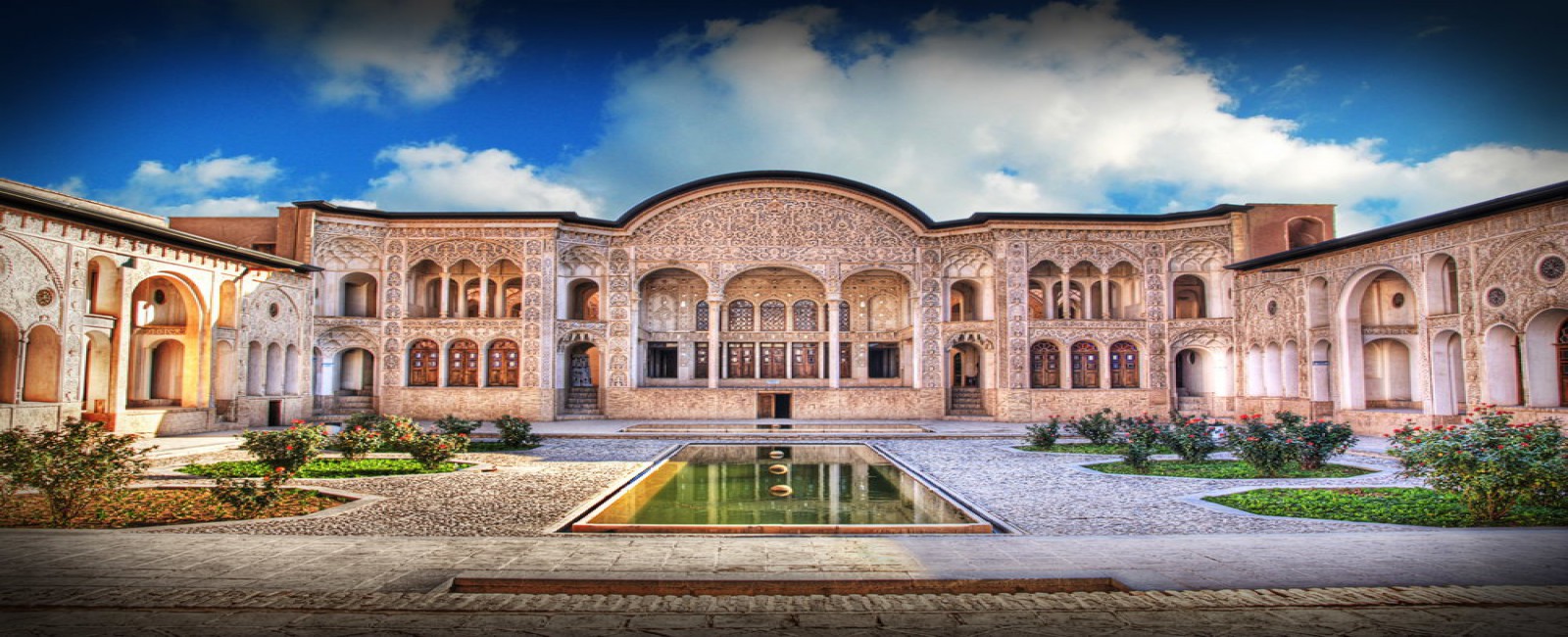
This garden is located to the south of the city of Kashan and near the village of Fin. The same was constructed on the former structures of the Al-e-Booyeh era. Its general layout and aqua system has been rendered special attention. This vicinity gained fame due to the murder of Amir Kabir, the reputed nationalist and Prime Minister (Grand Chancellor) of Nasereddin Shah Qajar. Amir Kabir was assassinated in a small bath here in the year 1268 AH. by the order of the Shah. This garden is a relic from the Safavid period, and has remained such for centuries due to the capacity of water it gains from the Soleimaniyeh spring. Today, this water flows into the 'Lasegah' pool after meandering through this beautiful garden, and providing water for the surrounding areas.
The structures of this garden are the entrance and its facade, tower and ramparts, the Safavid and Fathali Shah sections, chambers for the elite, the museum on the western side of the premises, the large and small bath and the library in the eastern sector of this garden.
The covered construction housing the Shah Abbasi section is in two floors, this being in the center of the garden and opposite the grand facade. The construction of the same was completed in the year 1226 AH. Here, there are beautiful paintings and an inscription worked with plaster in the 'nastaliq' script. In the vicinity of this garden, several monarchs such as Shah Safi, Shah Soleiman, Shah Tahmasb, Shah Abbas, Karim Khan Zand and Fath Ali Shah have all contributed in the repair or making addition to the structures on the premises. However, these structures witnessed plunder in the early period of the constitutional revolution.
The structures of this garden are the entrance and its facade, tower and ramparts, the Safavid and Fathali Shah sections, chambers for the elite, the museum on the western side of the premises, the large and small bath and the library in the eastern sector of this garden.
The covered construction housing the Shah Abbasi section is in two floors, this being in the center of the garden and opposite the grand facade. The construction of the same was completed in the year 1226 AH. Here, there are beautiful paintings and an inscription worked with plaster in the 'nastaliq' script. In the vicinity of this garden, several monarchs such as Shah Safi, Shah Soleiman, Shah Tahmasb, Shah Abbas, Karim Khan Zand and Fath Ali Shah have all contributed in the repair or making addition to the structures on the premises. However, these structures witnessed plunder in the early period of the constitutional revolution.
Shahrestan Bridge, Esfahan

This bridge is located in the east of Esfahan and is an interesting piece of architecture. The same is a relic of the Sassanide period.
Khajoo (Shahi) Bridge, Esfahan

The above mentioned took its foundation in the late Teimooride period, and was constructed according to what it is currently in 1060 AH, under the orders of Shah Abbas II. Its cubicles, adornments and tile work are interesting aspects of this constructions. There is a structure in the center of the bridge, known as the Beglarbegi construction. The same was used as a temporary residence for the royal family. The name of this bridge is a distorted version of the word 'Khajeh' which was a title for great personalities in the Safavid era. It was constructed on the Zayandeh Rood River.
Sio Seh Pol (Allah Verdy Khan) Bridge, Esfahan

This bridge is approximately 300 m. in length and 14 m. in width, and is one of the masterpieces in bridge construction in Iran and the world. The same was constructed in 1005 AH. under the supervision and expense of Allah Verdy Khan, one of the famous commanders of Shah Abbas Safavid I. The Armenians used to hold special festivities near this bridge in the Safavid period. It was constructed on the Zayandeh Rood river.
Menar Jonban Minaret, Esfahan

This structure comprises of a mausoleum and two minarets, constructed on the tomb of 'Amoo Abdollah' a reputed personality of the 8th century AH. The tombstone reveals the date 716 AH., coinciding with that of the reign of 'Oljaito' Ilkhan the Mongol. It is extremely interesting to note that on shaking one minaret, not only does the other move, but that the structure itself sways.


